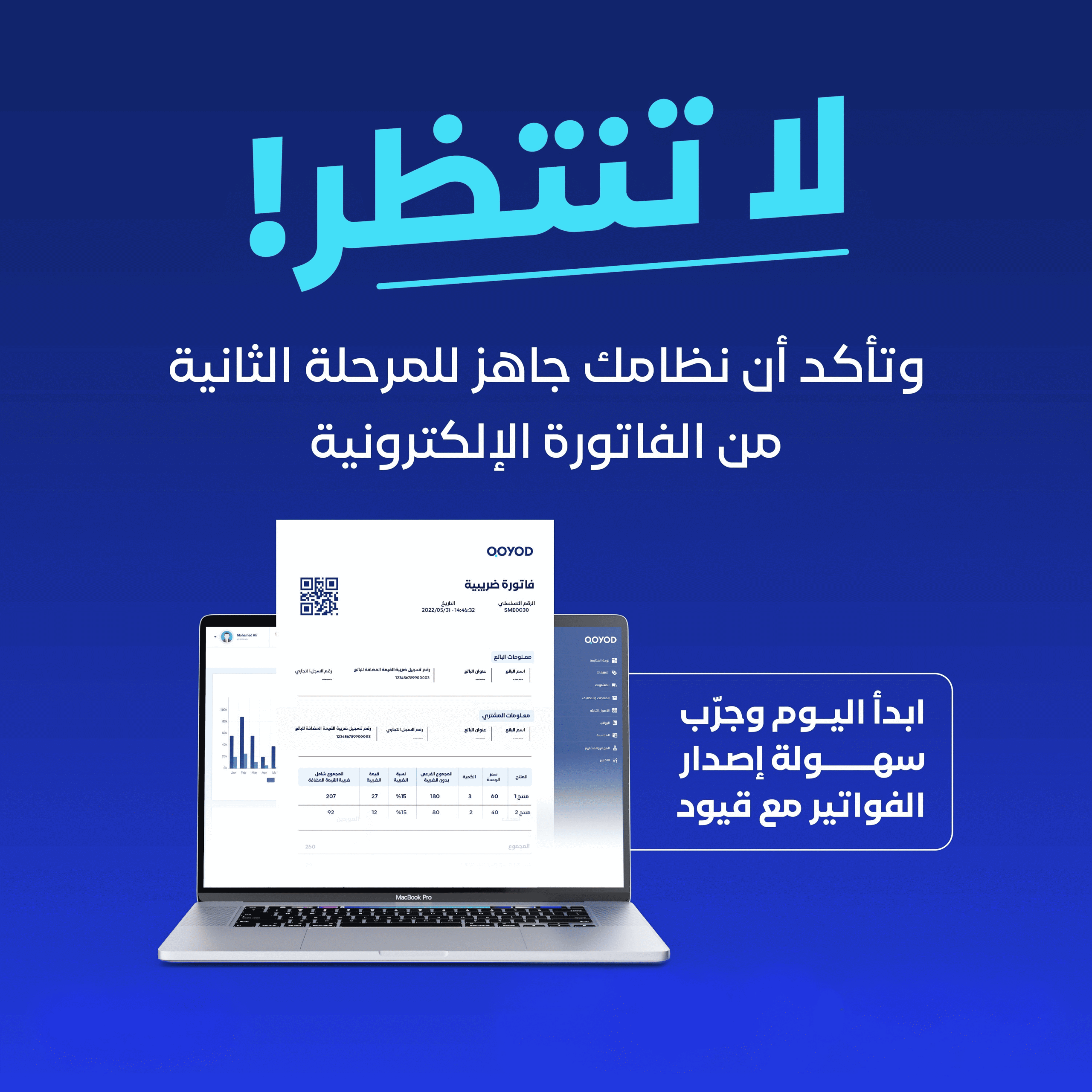
Cashier software is the front line of every grocery store and supermarket in Saudi Arabia. It scans barcodes, prices weighed items off the scale, accepts cash, mada, Apple Pay, and store credit, prints a ZATCA-compliant simplified tax invoice in under three seconds per ticket, and pushes every sale to the back-office ledger in real time. A single Riyadh supermarket can run 1,400 tickets a day across three tills, scan 14,000 line items, weigh 1,200 produce items, take 180,000 SAR in daily sales, and still close the till in twelve minutes at the end of the shift. Without cashier software that ties barcode scanning, weighed-item pricing, multi-tender payment, loyalty handling, and ZATCA e-invoicing into the back-office ledger, the store loses margin to scan errors, weighed-item mispricing, and till variances that nobody can explain.
What makes grocery and supermarket cashier software different
Grocery and supermarket cashier software is high-volume, low-margin, real-time retail. The average ticket is 32 to 80 SAR, the average gross margin is 14% to 22%, and the average till runs 400 to 700 tickets per shift. The same checkout has to scan a packaged SKU, weigh and price a kilogram of tomatoes, apply a coupon, accept mada, and print a simplified tax invoice in three seconds. Generic POS tools cannot run that loop fast enough to keep a queue moving.
Grocery cashier software revolves around five connected pieces: barcode scanning with PLU codes on weighed items, scale integration that prices per kilogram at the checkout, multi-tender payment with split-tender on one ticket, loyalty programs with point redemption at the till, and ZATCA simplified tax invoice printed inside three seconds on every ticket.
Daily reality is thousands of postings per day per till: barcode scans for packaged goods, weighed items priced off the scale, manual price overrides on damaged stock, multi-tender splits on family shopping, loyalty redemptions, coupon discounts, refunds with reason codes, and the end-of-shift Z-report that ties cash, mada, and credit settlements to the bank.
The most common problems with the wrong cashier software
Every grocery store and supermarket in Saudi Arabia running the wrong cashier software hits the same four recurring problems. They share the same gap: the till software was built for general retail, not for high-volume grocery with weighed items, perishables, and razor-thin margins.
1. Slow checkout creates queues. If the till takes six seconds per scan instead of two, a 30-item ticket runs 120 seconds longer than it should. On 400 tickets per shift per till, that is 13 hours of cumulative customer wait time per till per day. Customers abandon the queue and the store loses 4 to 7 tickets a shift per till.
2. Weighed items mispriced. A scale not integrated with the till requires the cashier to read the weight, type the PLU, and enter the kilogram price. Six seconds per weighed item adds up to 80 minutes a shift on a busy till with 800 weighed items. Worse, manual entry errors push 1.5% to 3% of weighed-item revenue into wrong-price tickets that customers contest at the door.
3. Till variance unexplained. End-of-shift counts come up 80 to 240 SAR short or long with no audit trail. Without cashier-by-cashier ticket-level reporting, the variance gets absorbed into shrinkage and the actual cause (refund without reason code, manual override without manager approval, mada terminal disconnect) is never fixed.
4. ZATCA invoices not printed. Phase two of e-invoicing requires every grocery ticket to fire a simplified tax invoice with a QR code through the Reporting flow. Cashier software that is not properly certified prints a thermal receipt without the QR code or with a stale signature. The store fails the next ZATCA audit and faces back-dated penalties.
What a grocery store actually needs from its cashier software
A generic cashier app was built for boutique retail, not for grocery and supermarket throughput. The gap between generic and grocery-grade cashier software is concrete:
| Task | Generic cashier app | What grocery and supermarket need |
|---|---|---|
| Scanning | Standard barcode | PLU codes on weighed items |
| Weighed items | Manual entry | Scale-integrated pricing |
| Tender | Single payment | Split tender on one ticket |
| Loyalty | Add-on plugin | Native point earn and redeem |
| Refunds | Generic return | Reason code with audit trail |
| VAT | Flat 15% | Per-line with zero-rated bread |
Beyond the table, a grocery store specifically needs three capabilities a generic till does not deliver:
- Scale-integrated weighed-item pricing, where the scale at the produce counter sends weight directly to the till, the PLU triggers the kilogram price, and the line posts in two seconds instead of six.
- Multi-tender split on one ticket, where a family shop pays half with mada, a quarter with cash, and a quarter with store credit, all settling against the same ticket on the daily Z-report.
- ZATCA-certified Reporting on every ticket, where every simplified tax invoice fires with the right QR code, signs in XML, and reports to Fatoora inside 24 hours, all from the same till the cashier uses to scan groceries.
How to organize a grocery store’s cashier and books step by step
Moving a grocery store or supermarket from a disconnected till to integrated cashier software with back-office accounting takes two to three weeks depending on SKU count and till count. This is the sequence Qoyod applies with every new grocery customer:
E-invoicing and ZATCA compliance for grocery cashiers
Phase two of ZATCA e-invoicing requires every grocery and supermarket ticket to fire a simplified tax invoice through the Reporting flow with a QR code and an XML signature. Cashier software that is properly certified handles this on every print without slowing the till down.
Every grocery invoice must include the store name and tax number, a sequential invoice number, the date and time, an itemized list with packaged and weighed items, per-line VAT (standard-rated and zero-rated handled separately), totals before and after VAT, and a QR code. A certified system generates the QR code, signs the invoice in XML, and transmits it to the Fatoora platform inside the Reporting window.
How to evaluate cashier software for a grocery store
When evaluating any cashier software for a grocery store or supermarket, verify these six criteria:
- Official ZATCA phase-two certification with a verifiable approval number on the Authority’s portal.
- Sub-three-second print time per ticket including the ZATCA signature and QR code.
- Native scale integration on the produce counter for weighed-item pricing.
- Multi-tender split on one ticket (cash, mada, Apple Pay, store credit, loyalty points).
- Per-line VAT with proper handling of zero-rated grocery items.
- Real-time back-office accounting where every till transaction posts to the GL.
Where Qoyod fits in as grocery and supermarket cashier software
Qoyod brings together, inside one account: high-throughput cashier software with barcode scanning and scale integration, multi-tender payment with native loyalty, ZATCA-approved Reporting on every ticket, real-time inventory across all SKUs and categories, full back-office accounting with daily Z-report reconciliation, payroll, and consolidated reports. Every till transaction lands an automatic journal entry inside the same ledger.
The platform handles multi-branch grocery chains under one account, with shared SKU master, consolidated inventory across all stores, role-based permissions per branch, and either consolidated or per-branch reports.
For stores migrating from a disconnected till to integrated cashier software, the setup service and the bookkeeping service are available as part of Qoyod Pro Services, alongside the app marketplace for connecting to scales, scanners, mada terminals, and self-checkout kiosks.
Frequently asked questions
Does Qoyod cashier software integrate with scales?+
How fast is a typical grocery ticket?+
Can the till accept multi-tender?+
Does Qoyod handle zero-rated grocery items?+
Does Qoyod work for multi-branch grocery chains?+
Is technical support available 24/7?+
Running a grocery store or supermarket does not need a generic till app, it needs cashier software that ties barcode scanning, scale pricing, multi-tender payment, loyalty, ZATCA Reporting, and back-office accounting together inside one account. The stores that consistently grow are the ones that see daily Z-report variance and per-category margin every shift. That capability is what makes Qoyod the right fit for grocery stores and supermarkets in Saudi Arabia.